
“Hello? Alex? Brother! How are you?!”
It’s as if Jesse had known me for a lifetime. His enthusiastic tone gives instant energy to our conversation.
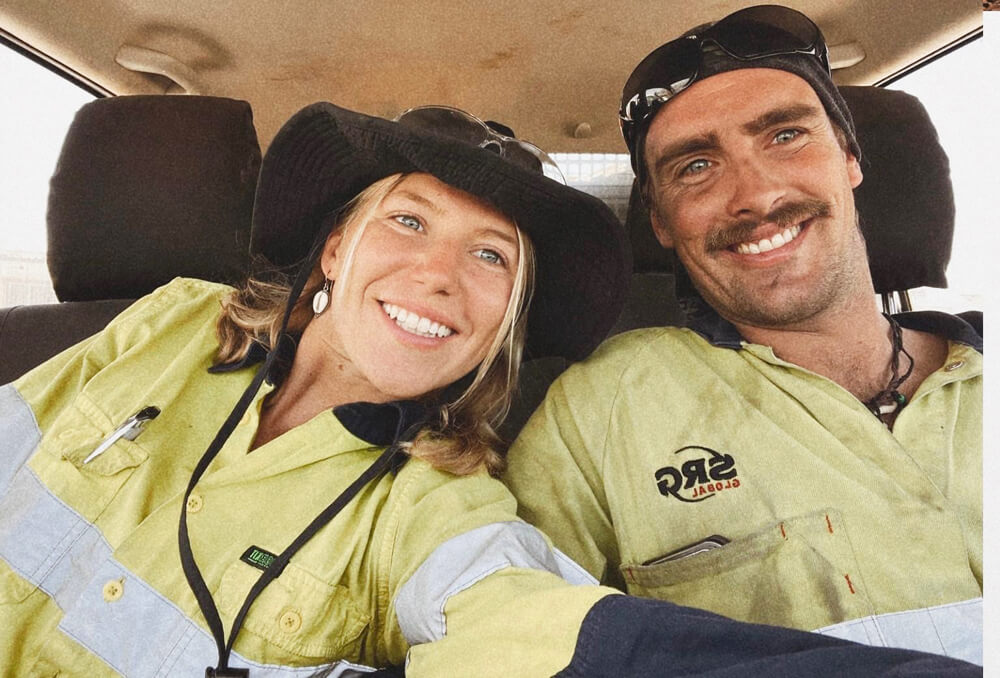
He’s currently perched up in his donga in the Western Australian desert, winding down after another 12-hour shift, reaching death-defying heights as a rope access technician on the rigs. For him, it’s just another way to earn freedom tokens and return to his roaming, adventure-filled lifestyle.
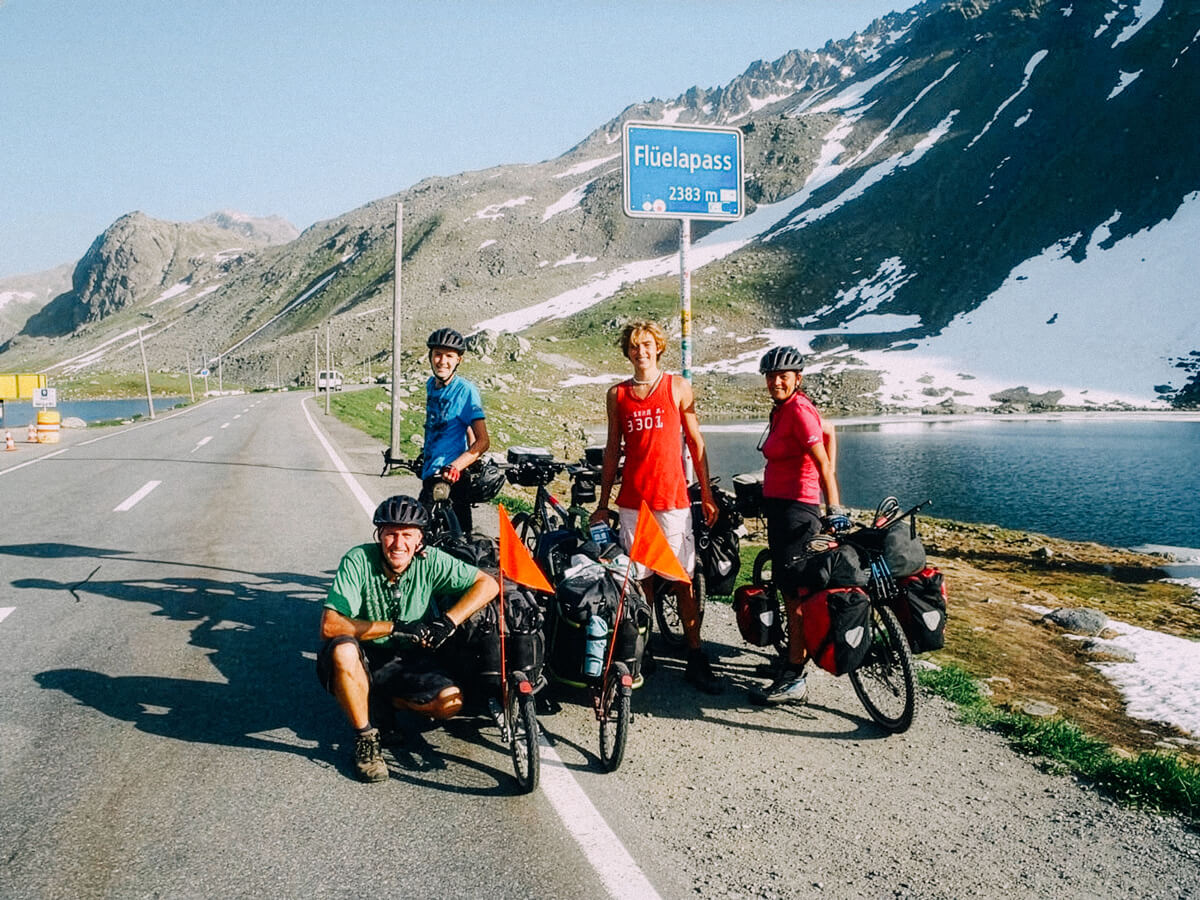
Jesse’s passion for adventure was clearly inherited from his nomadic parents, who fell in love with a life on the road long before Jesse’s existence.
“Mum and Dad are originally from the Netherlands, but they immigrated to Australia back in the mid-80s. They cycled around the world before I was even born, and my mum actually fell pregnant with me when she was cycling through South America in the mid-90s.”
The first five years of Jesse’s life were spent travelling around Australia in a small Volkswagen Kombi van — just him, his parents, and later his little brother, Sammy.
“We’d travel for around six months of the year. Mum and Dad would work anywhere they could.
“We’d pause in little rural towns throughout Australia. Sammy and I would go to school, while Mum and Dad would do anything from being a tour guide to working in meat factories. We’d buckle down for six months, and then travel.”
The Verhage family bounced between Southeast Asia and Australia, living a life on the road, where hitchhiking and homeschooling in third-world countries became second nature to the boys.


“Then, in 2008, the economy crashed in America. We were in Tasmania at the time, and Dad was teaching Sammy and me about inflation and how the Australian dollar was actually stronger than the US dollar at the time.
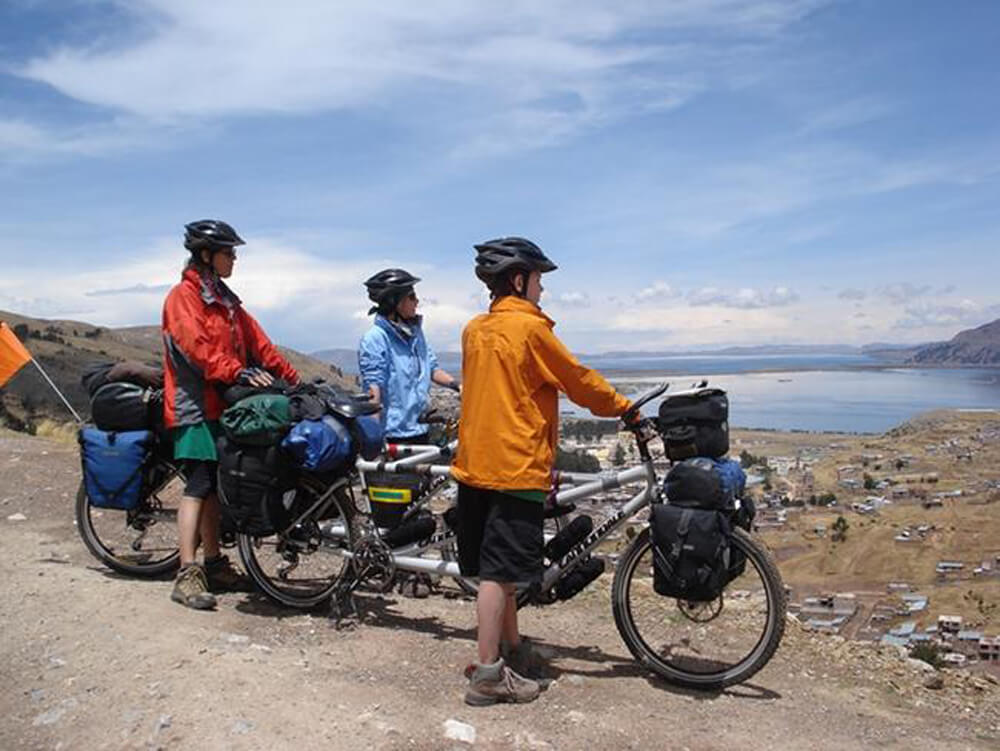
“I remember him saying, ‘You know, boys, if we sold everything we own right now, we’d easily be able to go to America, buy a bike, and start cycling whilst living off the interest.’
“Sammy and I took what our dad said and ran with it. We spent the next five months pestering our parents to go through with the plan, until finally our dad said, ‘If you guys really want to do this, we’ll put the motorhome up for sale, and if it sells within 24 hours, we’ll do it.’”
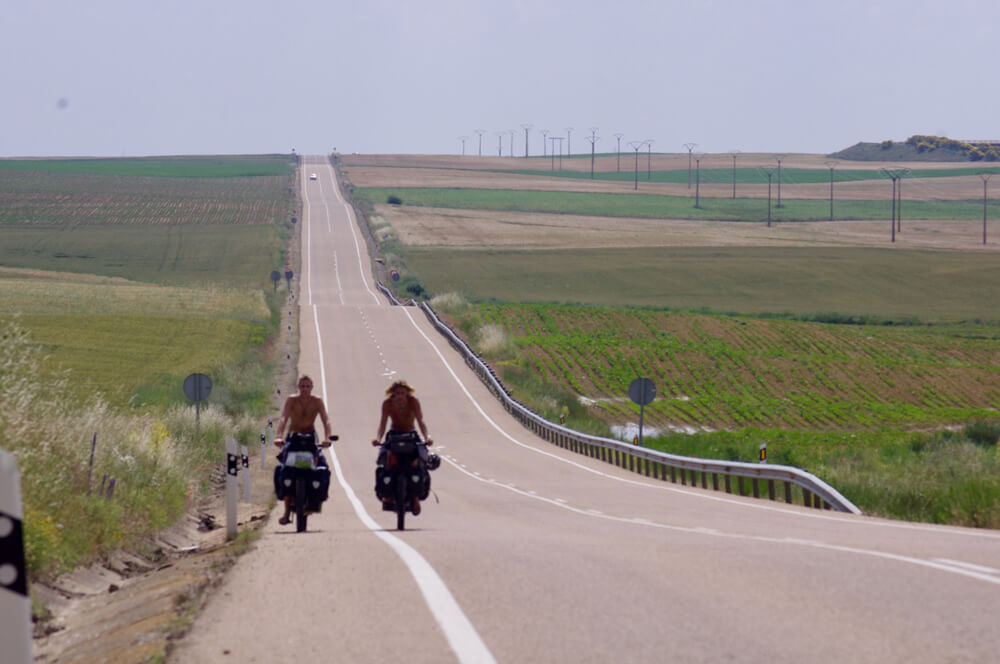
The motorhome sold within two hours, and the Verhage family was set to embark on their biggest and most incredible journey yet. They packed their backpacks and bought a one-way ticket to Los Angeles. They initially planned a summer-long trip around the southeastern region of America on two tandem bikes, but one thing led to another, and the desire of the two boys, Jesse and Sammy, aged 11 and 13, was too strong to stop.
“Initially, it was a six-month kind of thing. It was an excursion — something that Sammy and I had dreamt of — cycling like Mum and Dad had done all those years ago. Then, bit by bit, it just progressed. We crossed one border and fell in love with Mexico, and then three months later, we fell in love with Guatemala, and so on.


“We lived on a really tight budget, $20 a day for the four of us. We were living off the interest of the money from the sale of the motorhome. Dad and Mum’s theory was that, as long as we didn’t dig into the savings, we could just keep going.”
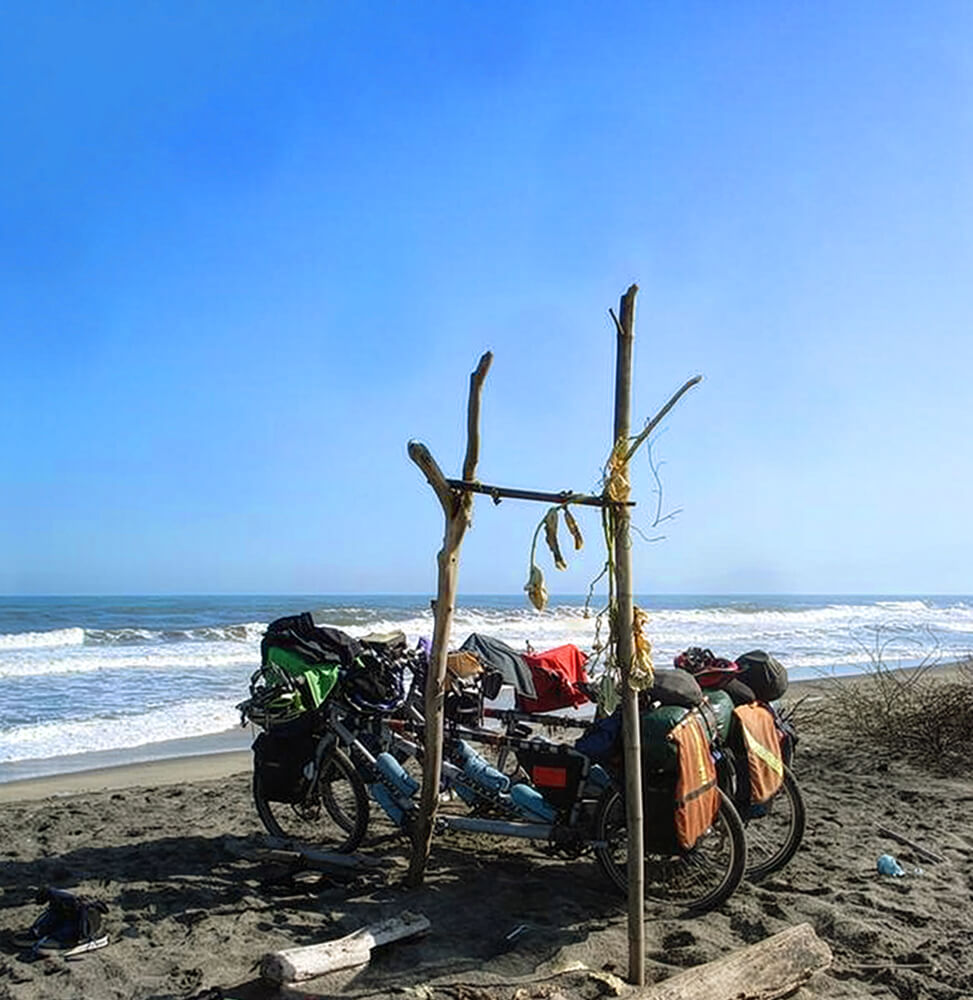
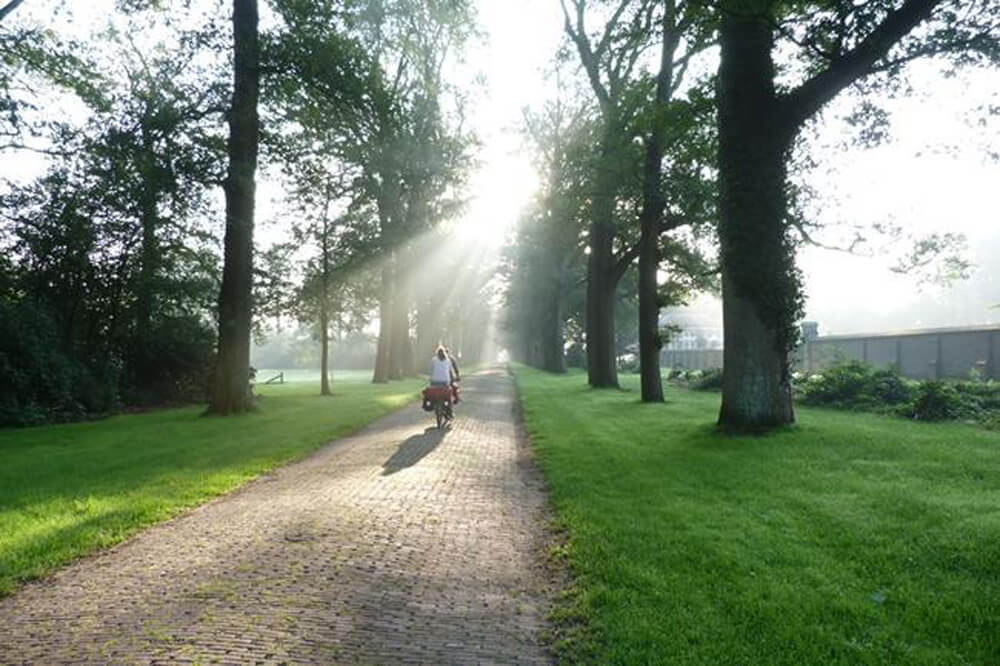
And keep going they did… For the next two years, the Verhage quartet pedalled their way through Central America and into South America. Jesse’s father, Michael, summed up the feat perfectly in one of the family’s online blog entries.
“You cannot pedal all the way from Los Angeles to Brazil if the family is not united. We’re just a simple family who love travelling and enjoy all that comes with it. We hope that our children will become happy young adults, just like any other parent.
“We just live life a bit differently! In the end, many roads lead to Rome — ours is just one of them.”
Jesse admits that his parents faced criticism from family, friends, and those they met along the road, raising concerns about cycling through such a notoriously dangerous continent.
“They would say, ‘How can you bring two kids aged 11 and 13 through South and Central America on a bike? Do they actually want to do this?’ But you know, Latin culture being Latin culture, there’s nothing that they respect more than La Familia.


“In saying that, the extremity of it is probably the most questionable thing, and a lot of people along the way started looking at us and being like, ‘F**k, you’ve been on the road for a while. Are the parents pushing you? Are you guys happy as kids?’ But we were always a team.
“The number one rule when we were cycling was, if one of us didn’t feel safe or didn’t want to do it, then we’d pull the pin and do another adventure. The question was definitely raised a fair few times by Mum and Dad about whether we were happy or if we wanted to go back to Australia to continue school and university.
“I remember Sammy and I having a good chat together, and we kind of just looked at each other, and we were like, ‘F**k. We speak three languages fluently now, and the world’s such a beautiful place. You know, we have nothing to lose.’
“So, we just kept going.”
he family would regularly post on the renowned cycling blog, Crazy Guy on a Bike, where they gained significant attention for their epic feats, leading to one of the world’s biggest cycling brands reaching out to the Verhage family with an offer that was too good to resist.
“Out of nowhere, Cannondale contacted us and said, ‘Hey, look, if you’re willing to come to the Netherlands, we’ll give you four bikes as a sponsorship to keep you guys going.”
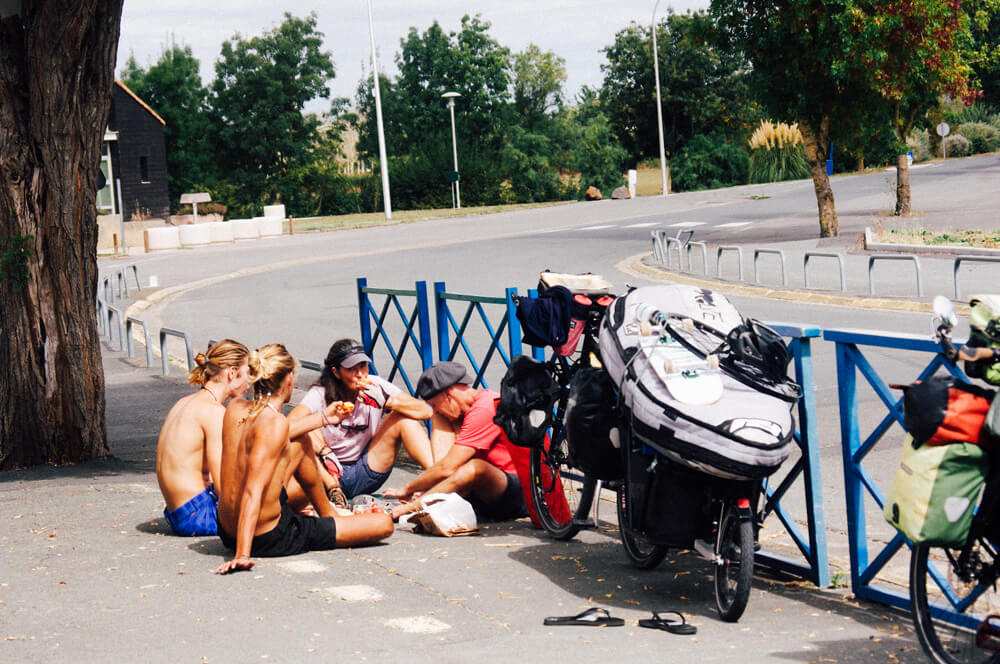
After their monstrous 10,962km journey across America’s continents, the Verhage family touched down in Europe. Over the following years, the family would split their time between Europe and Southeast Asia, chasing the warmer weather, until a drop in interest rates put an end to their $20-dollar-a-day budget.
“That’s when Mum and Dad started their jewellery business, which they’re still doing today. We were in Spain one day, and Mum had begun doing a little bit of macrame for fun, while my brother and I had gone out to meet some girls or whatever.
“We were just being little pests on the beach, but when we came back that night, they were like, ‘You’ll never believe it. We made 200 bucks sitting here.’”
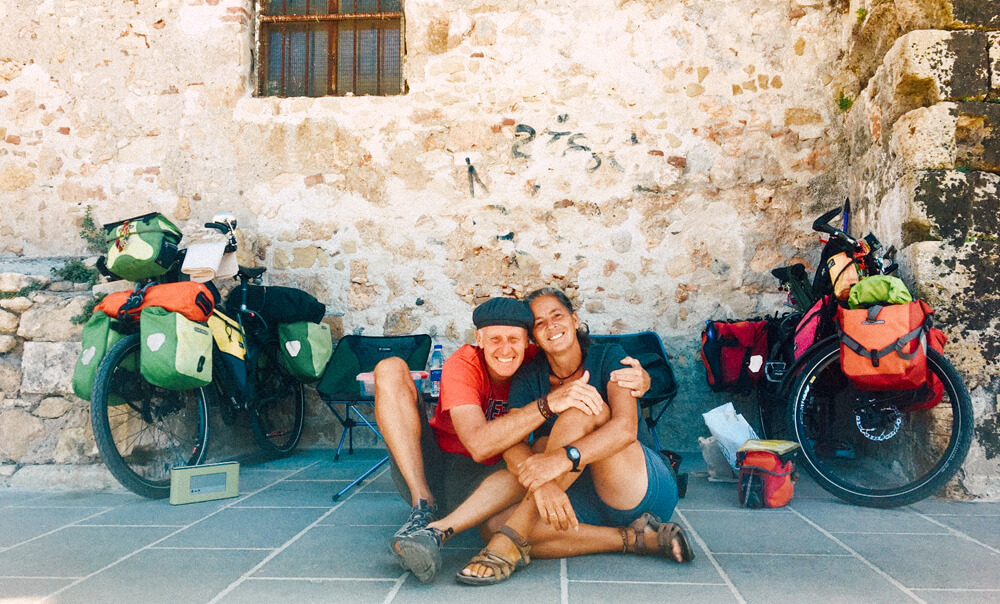
That was the start of Ciska and Michael’s homemade jewellery business, which is still going just as strong to this day. Back then, the family would craft the jewellery together before setting off for Europe’s most popular tourist cities.
“Mum and Dad would just park the bikes and put a table out with all their jewellery with a little sign — ‘Cycling around the world since 2008’ — and they would rake it in. That basically funded the six months we’d spend in Asia during the European winter.”
As we continued to delve deeper into the Verhage lifestyle, I was curious to know about how Jesse dealt with social interaction, connections, goodbyes, and the constant chopping and changing of cultures while living on the road.
“Meeting new people was my favourite thing about travelling. You know, my brother and I are both really sociable types of people. I guess that comes from the upbringing of my parents.
“I remember arriving in Mexico, and my dad and mum already spoke Spanish. I looked at them and I was like, ‘I’m never learning this language. I’m never going to be able to make friends here’.
“My dad went into town, bought a soccer ball, and kicked us out of the house and said, ‘Good luck’. Six months later, we spoke fluent Spanish.
“Once you live somewhere and you put the effort into it, you see how much it opens doors. That was my parents’ philosophy — learning opens up doors, and then life pans itself out for you.”
Jesse and his brother Sammy eventually ‘flew the nest’ and set off on their own adventures, moving to Switzerland, where they traded two wheels for suits and ties, both curious to see how they’d function in a nine-to-five working environment.
“Initially, it was really exciting. You know, I never thought in my wildest dreams that I’d end up working in the pharmaceutical industry. Neither did my brother. Seeing the money come in and meeting different people from all different walks of life — we actually thoroughly enjoyed it.
“But I think Sammy and I, both at the same time, hit this wall where we felt it wasn’t making us happy. And I think that the itch to see the world and continue travelling just started creeping back in.”
“I’ve been surfing since I was a little kid, but of course, during those early years, especially through South America and Asia and parts of Europe, it was really hard for me to find waves in general, let alone bring a surfboard.

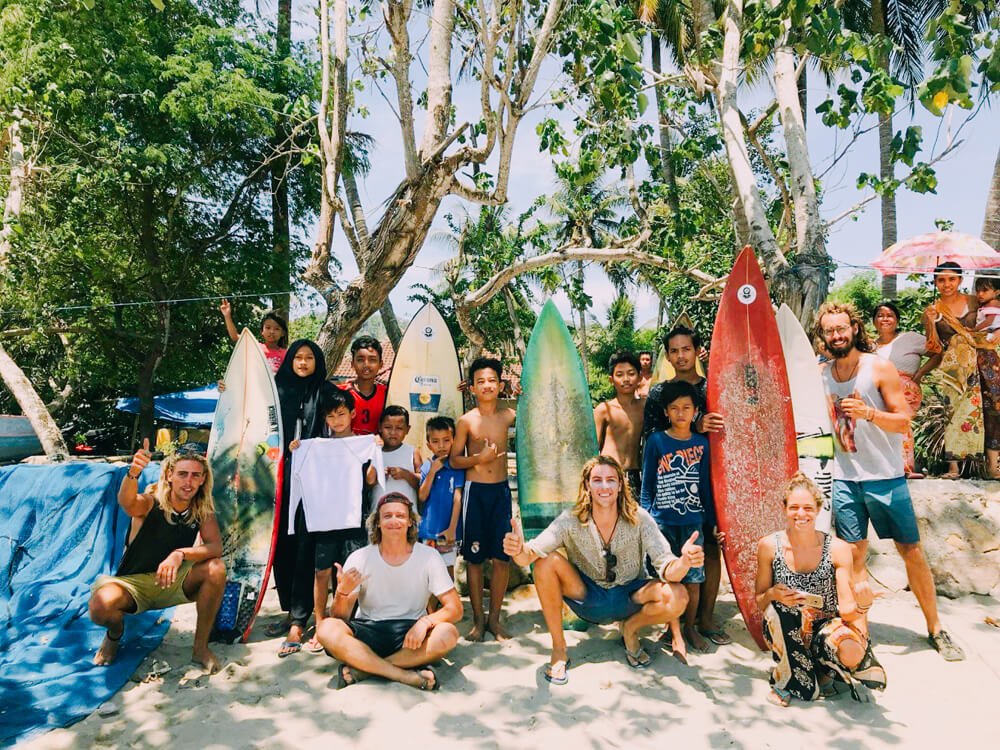
“But the second we left home and started doing it ourselves, we bought the boards. I had three boards on the back of a trailer, and I was lugging those around.”
When Jesse and Sammy reached their early twenties, they felt ready for a new adventure that wasn’t on two wheels. Australia was calling — a place they hadn’t returned to for 13 years. In true Verhage unity, they all returned Down Under.
Ciska and Michael bought a truck that allowed them to travel freely while selling their jewellery, and the boys both bought vans, which became their mobile homes.
Jesse freely admits to having been bitten by the travel bug. To him, the continuous longing for adventure and curiosity for what’s around the next corner comes from a life on the road.
“There’s definitely an inner voice. There’s definitely something that keeps calling me back. And I think that goes for my whole family and also for the partners we’ve chosen. The universe just keeps saying it doesn’t end here — keep going. And so far, it’s only taken us to beautiful places.”
Jesse and his partner, Camille, are now planning a life on the water, working towards their new mode of transport — a 40-foot monohull sailing boat named Stella — around the world.
“My girlfriend and I have been working for the past two years in the mines, saving every bit of coin possible.
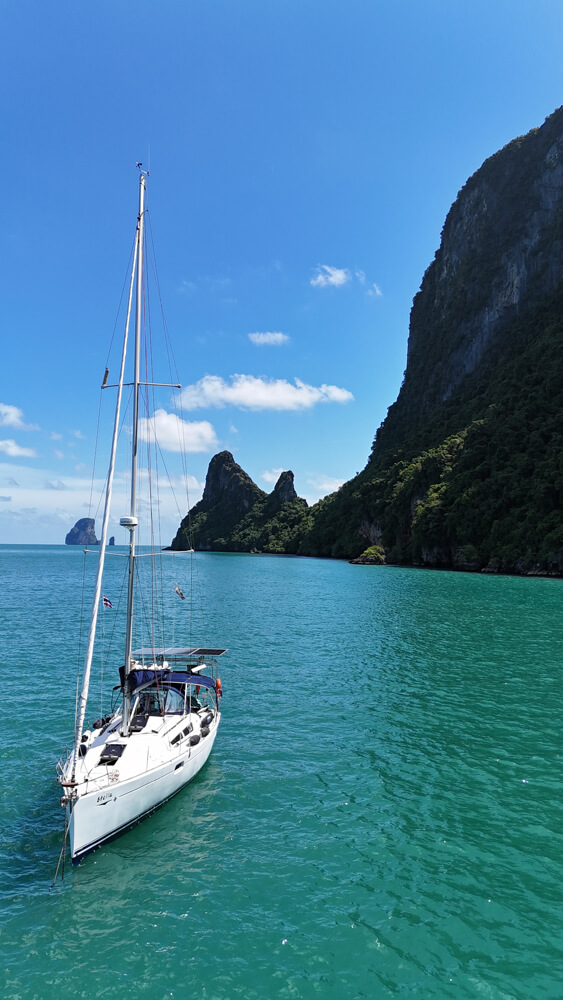
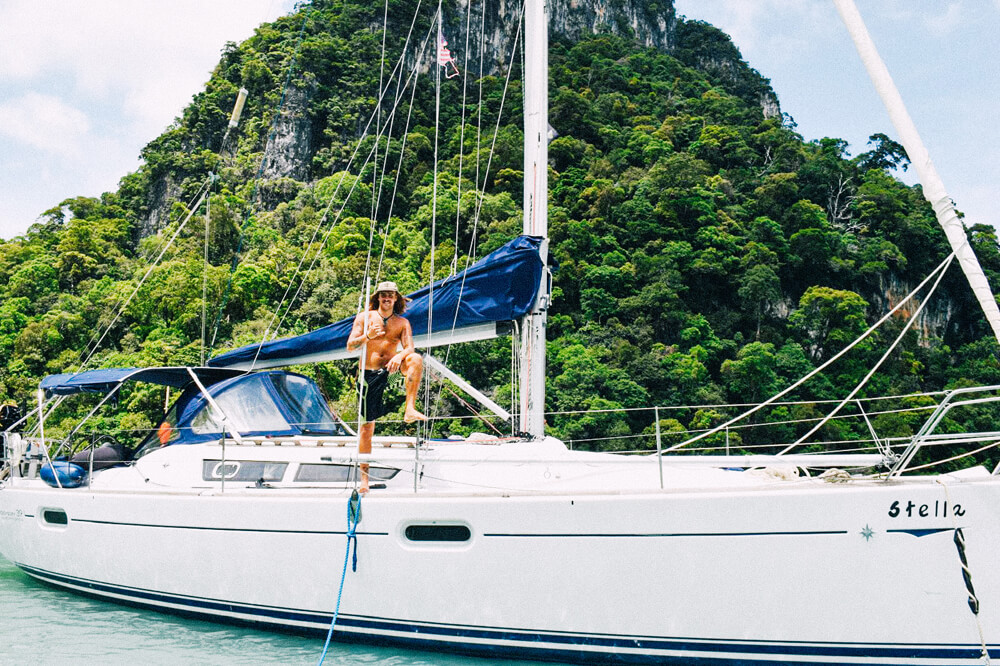
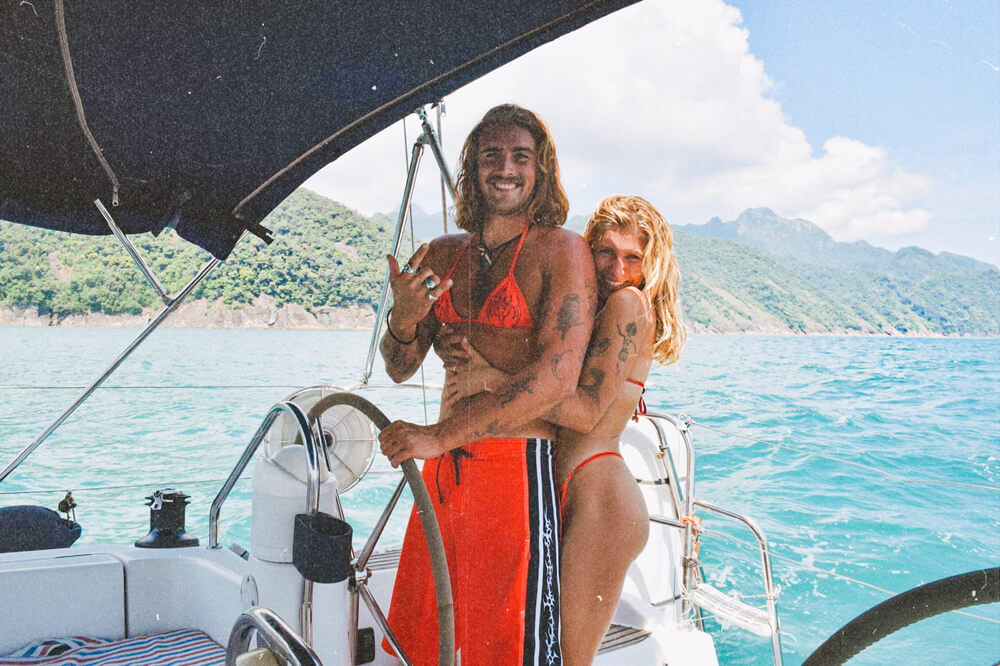
“Finally, six months ago, we got the money together and bought a sailboat in Malaysia. For me, it’s the next frontier of exploration, and it means I get to be close to the ocean, surf, and spearfish every day.”
According to Jesse, it’s becoming harder for the younger generation to escape the negativity of the world we live in today, where everything is so accessible and young minds are easily manipulated before they even step foot out into the real world.
“Nothing beats the positivity, and you can only see that when you get out of your nest. Finding like-minded people that travel, surf, and enjoy cultures and different religions and all aspects of life — that’s the beauty of travelling. And you only find those people travelling.
“I’ve done my fair share over the last 10 years — exploring the world and seeing how it’s all developing. We’re at a pretty special spot to go make a difference, but also to get away from everything, because the world won’t be what it is now in 30 years.”
Ciska and Michael Verhage chose to raise their sons in a way that is perhaps unorthodox compared to societal norms. However, it’s easy to tell from talking to Jesse that the nomadic lifestyle has resulted in a well-rounded, grounded, and compassionate human being.
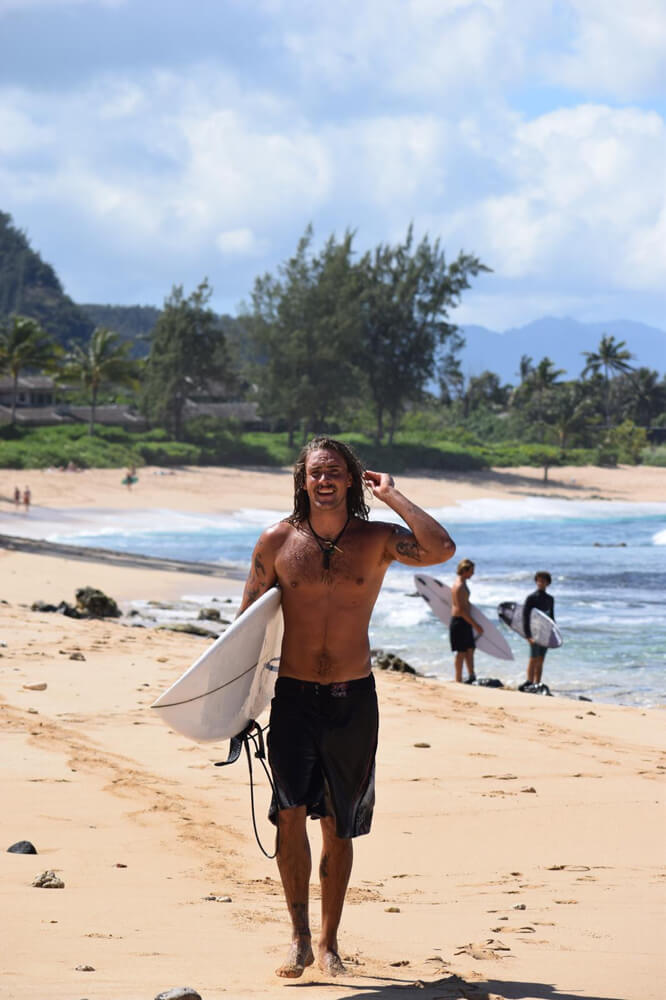
Jesse knows how lucky he has been to see the world in the way he has, but it’s not even a question of luck in my opinion. These are the fruits of a humble, non-pretentious labour that has spread nothing but inspiration and love wherever it has gone.
“Ultimately, the biggest message that my parents instilled in us was to always try to give back as much as you receive. I think when you’re very fortunate and life shines on you, the bare minimum you can do is also help out in any way you can, and that’s a message I love to get across.
“I think it’s important, especially with all the luck that everyone in the Western world has when they get to do trips to third-world cultures — if that’s a surf trip, or just a backpacker trip, or whatever — I think that somewhere along those travels, if you see someone and they smile at you and touch your heart, you should make a difference.”


